


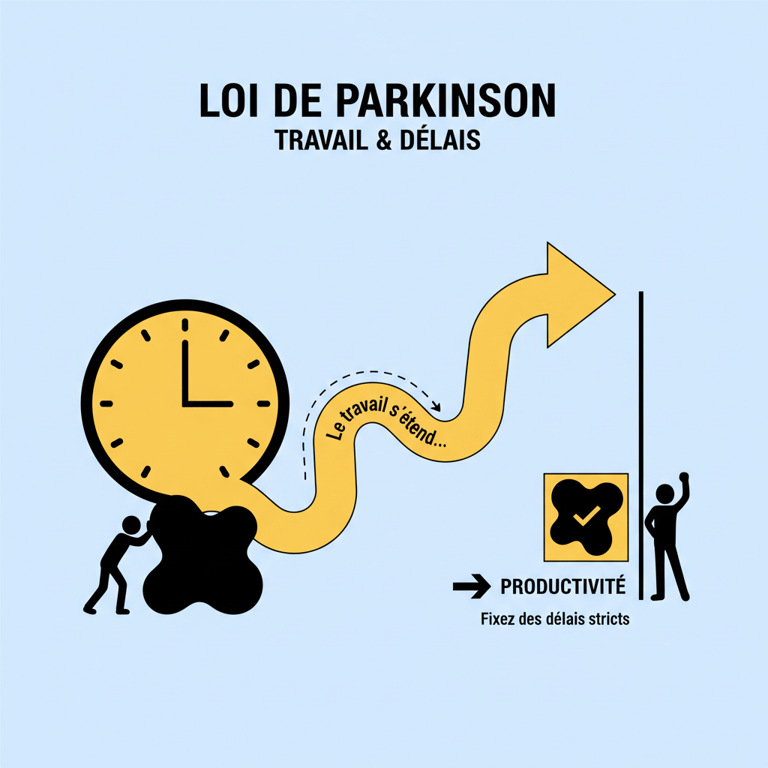

Parkinson’s Law: Work expands to fill the time available for its completion.
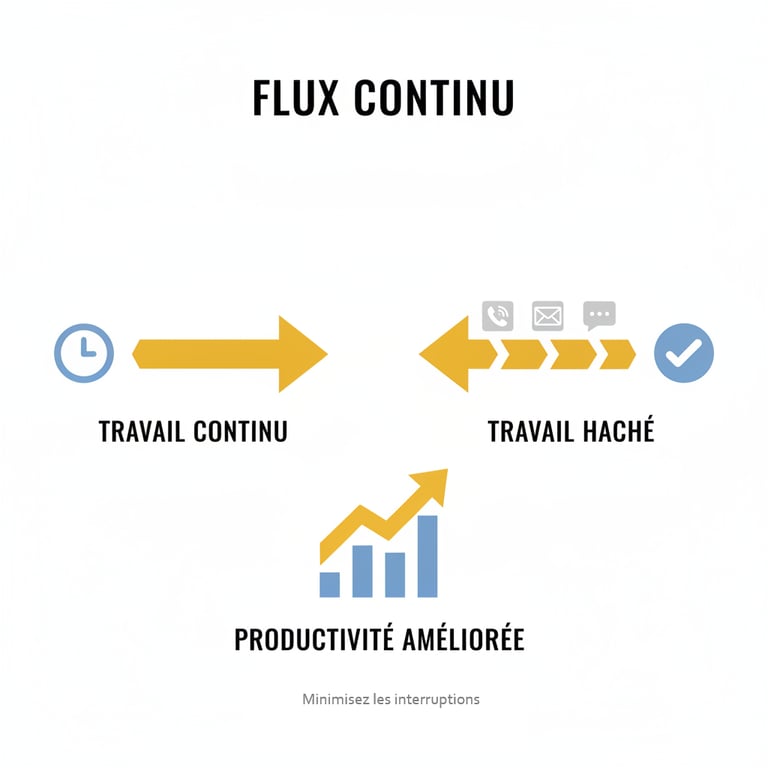
→ Set strict deadlines to stay productive and avoid procrastination.Carlson’s Law: A task performed continuously takes less time than if done in several sessions.
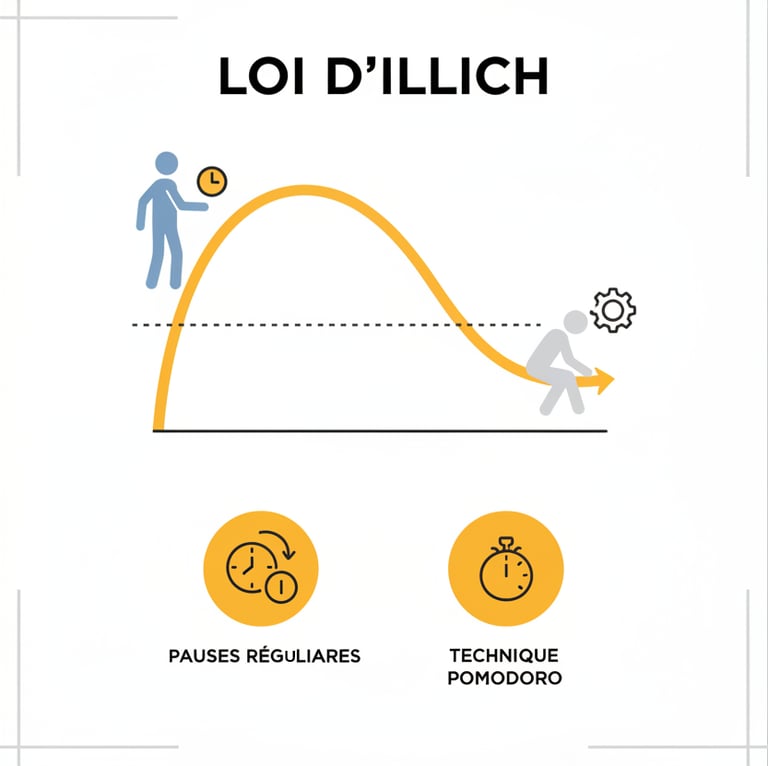
→ Minimize interruptions to maintain focus on your tasks, improving productivity.Illich’s Law: Beyond a certain threshold, human efficiency declines, or even becomes negative.
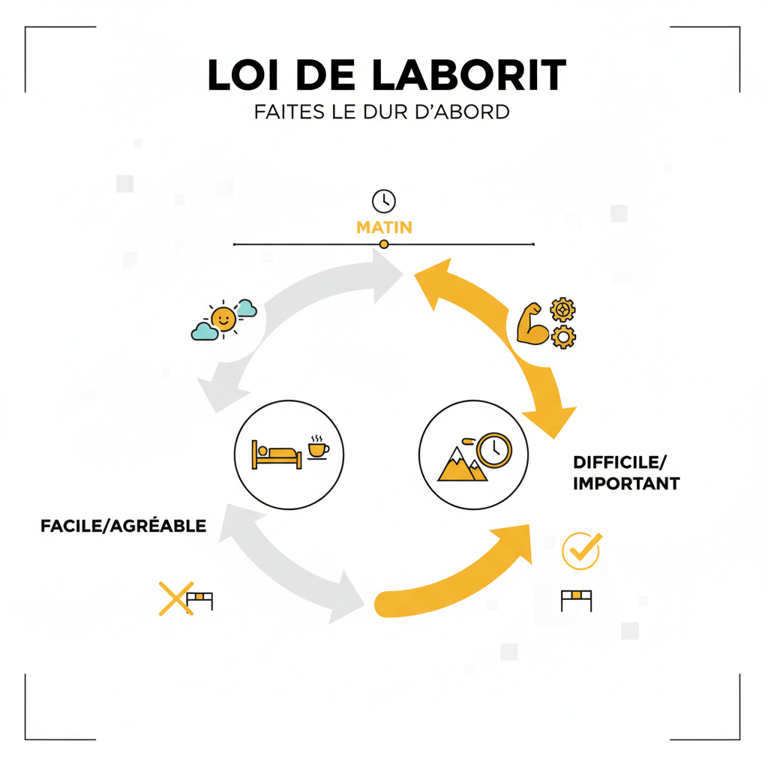
→ Take regular breaks and limit work sessions to optimal durations (e.g., Pomodoro technique).Laborit’s Law: We tend to do easy or enjoyable tasks before difficult ones.
→ Start your day with the hardest task when your energy is at its peak.Hofstadter’s Law: Things always take longer than expected, even when you take Hofstadter’s Law into account.
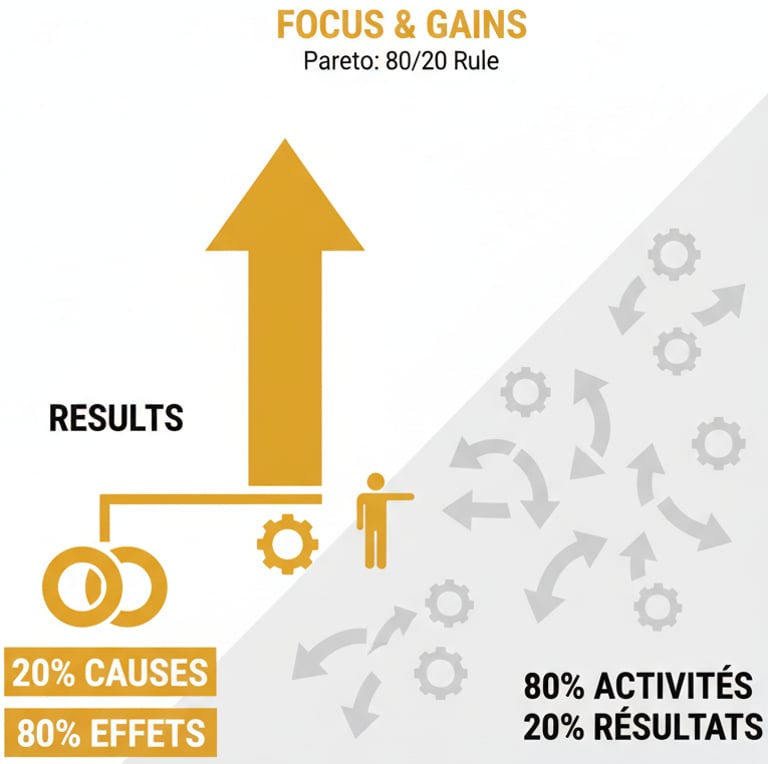
→ Always plan buffer time in your schedule to accommodate unforeseen delays.Pareto Principle (80/20): 80% of results come from 20% of causes.
→ Focus on the tasks that yield the most results instead of spreading yourself across less productive activities.


Ebbinghaus Curve: Forgetting follows a decreasing exponential curve.
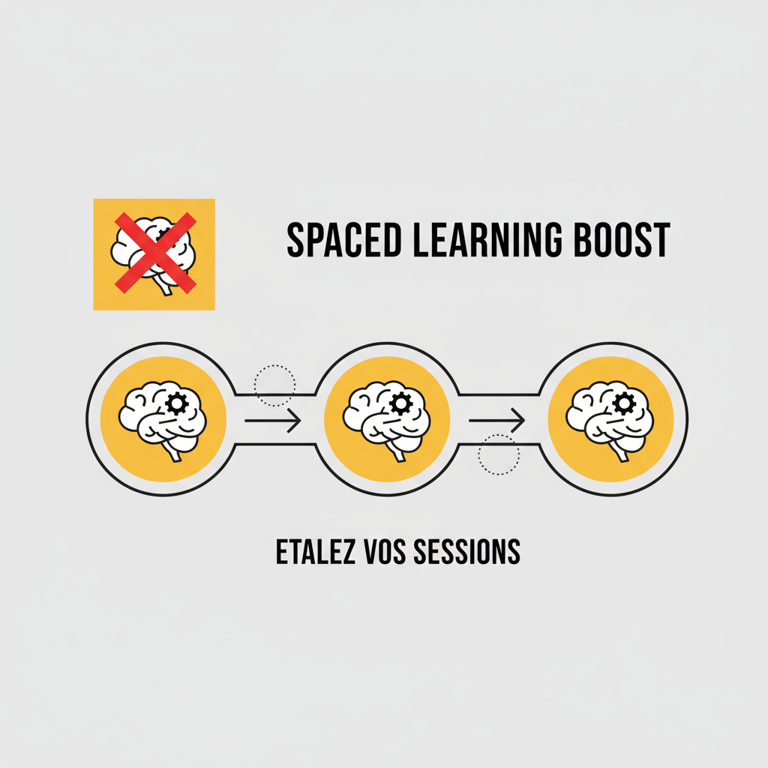
→ Review what you learn regularly within 24 hours, then after 1 week and 1 month.Spacing Effect: Spaced learning over time is more effective.
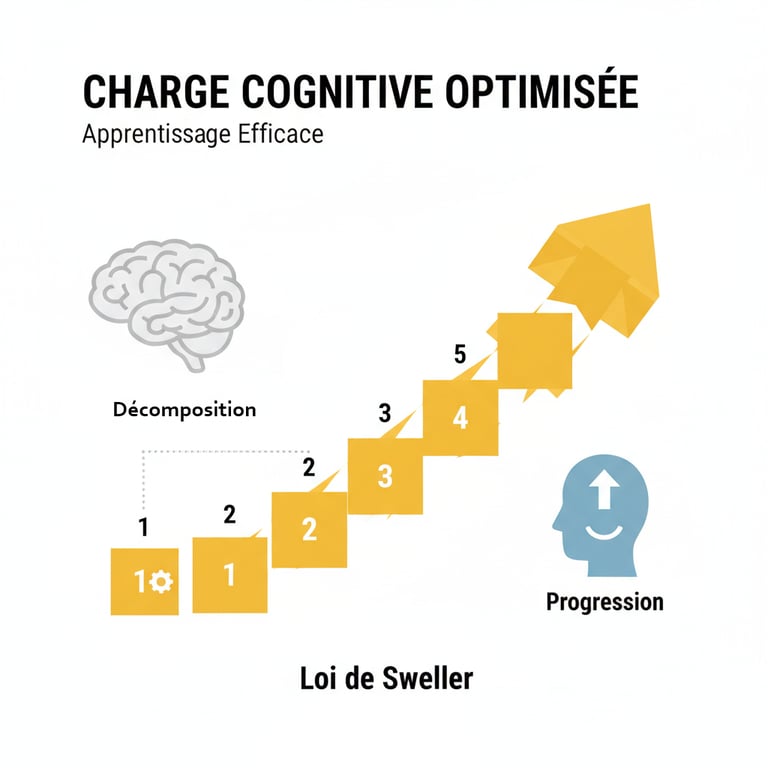
→ Spread your study sessions over several days rather than cramming everything at once.Sweller’s Law: Cognitive load must be optimized for effective learning.
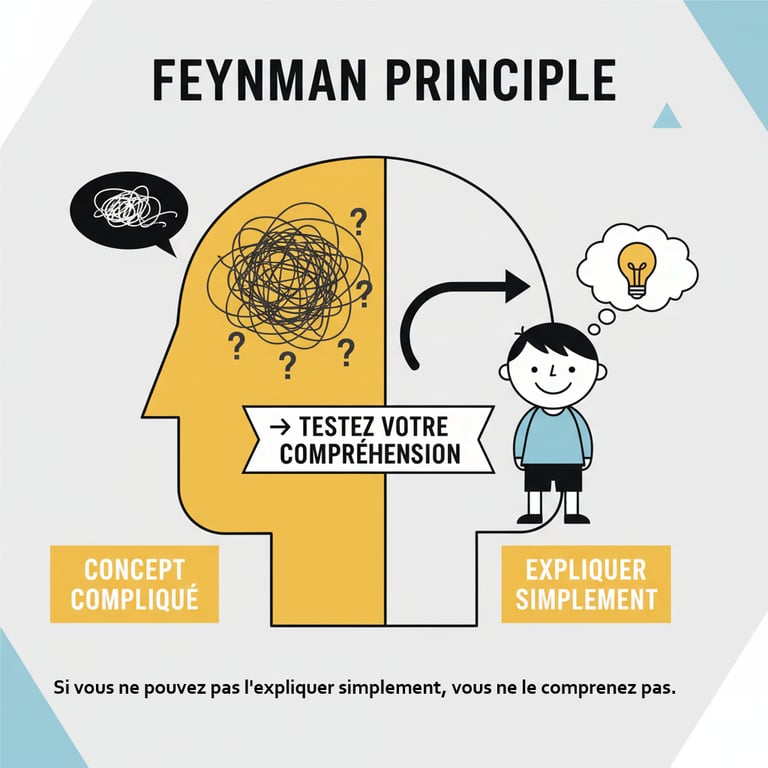
→ Break complex topics into small, digestible, and progressive units.Feynman Principle: If you cannot explain it simply, you do not understand it.
→ Test your understanding by explaining the concept to a 10-year-old.Binet’s Law: Memory of things is influenced by their meaning.
→ Create personal and emotional connections with what you learn to improve retention.



Murphy’s Law: Anything that can go wrong will go wrong.
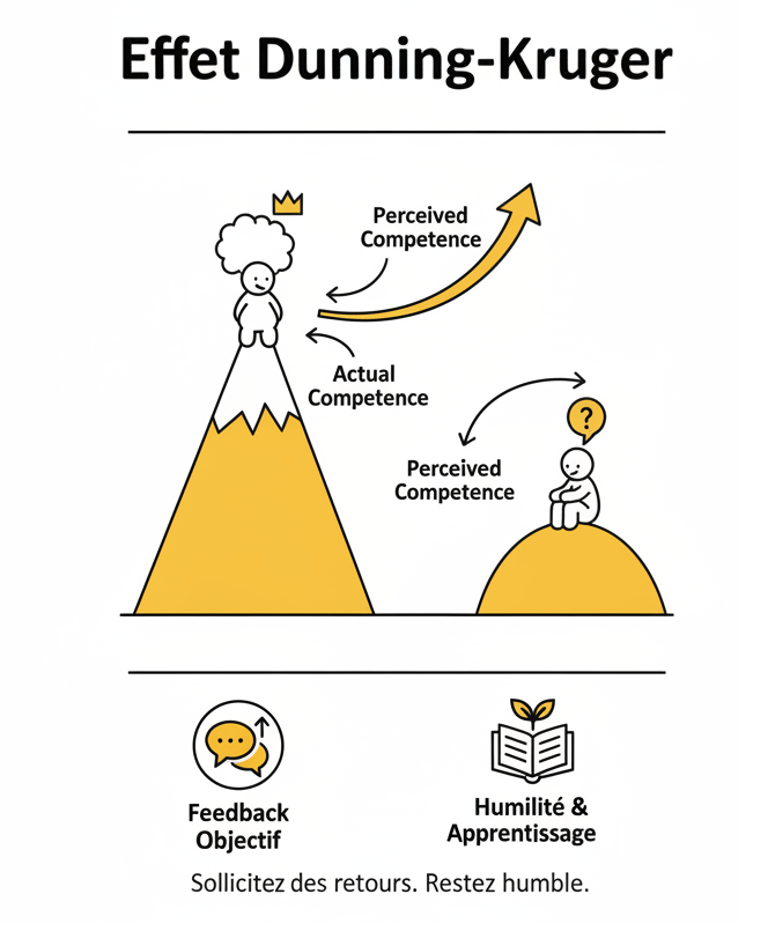
→ Prepare for the unexpected by having backup plans and anticipating obstacles.Dunning-Kruger Effect: The least competent overestimate their abilities, while the most competent underestimate theirs.
→ Regularly seek objective feedback on your skills and stay humble in your learning.Pygmalion Effect: Positive expectations positively influence performance.
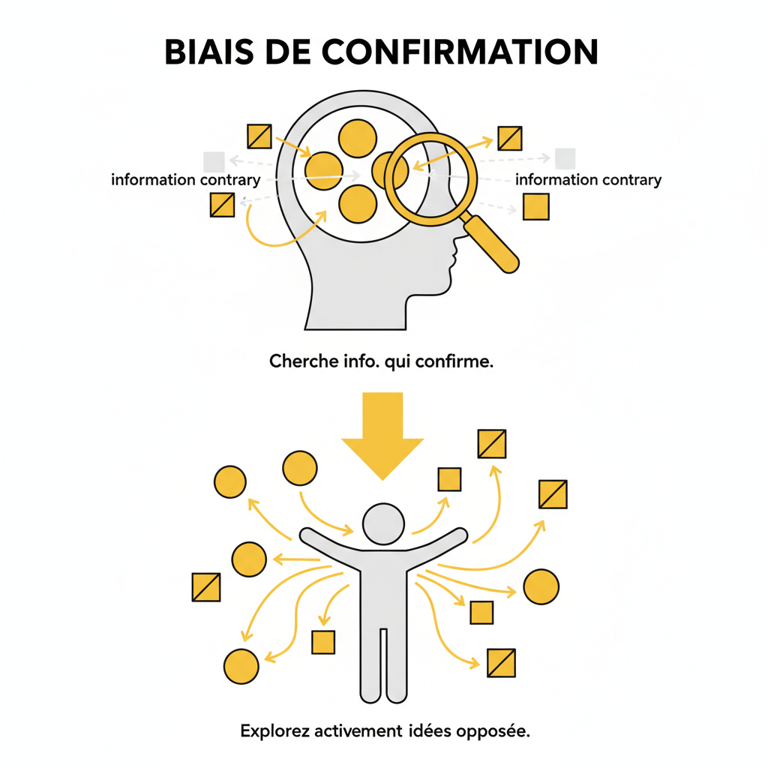
→ Encourage others and express positive expectations to foster their success.Confirmation Bias: The tendency to search for and interpret information that confirms our beliefs.
→ Actively seek opinions that contradict your own to broaden your perspective.Law of Attraction: Positive thoughts attract positive experiences.
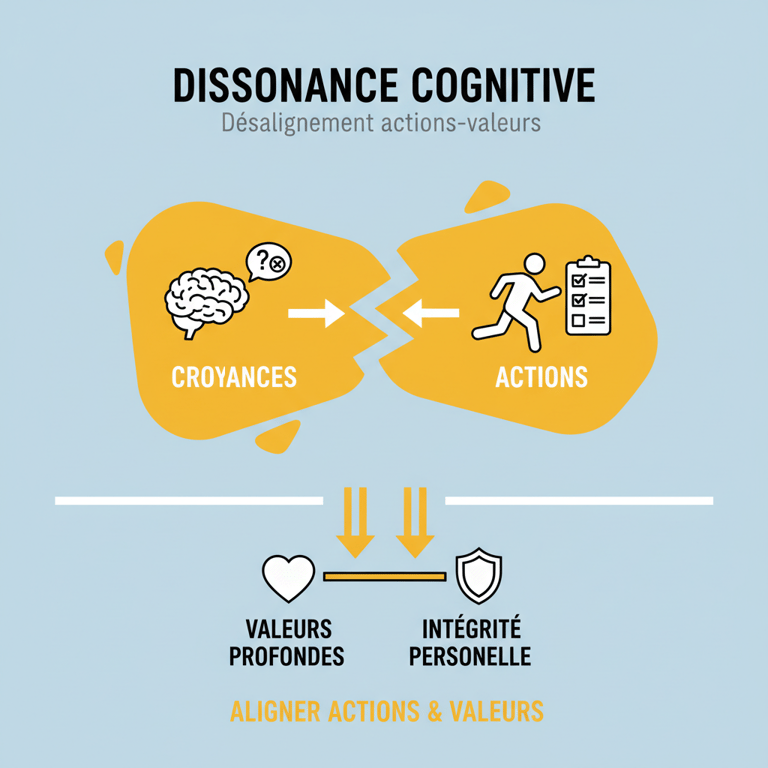
→ Practice daily gratitude and visualize your goals to create a positive momentum.Cognitive Dissonance: Psychological discomfort occurs when our beliefs do not align with our actions.
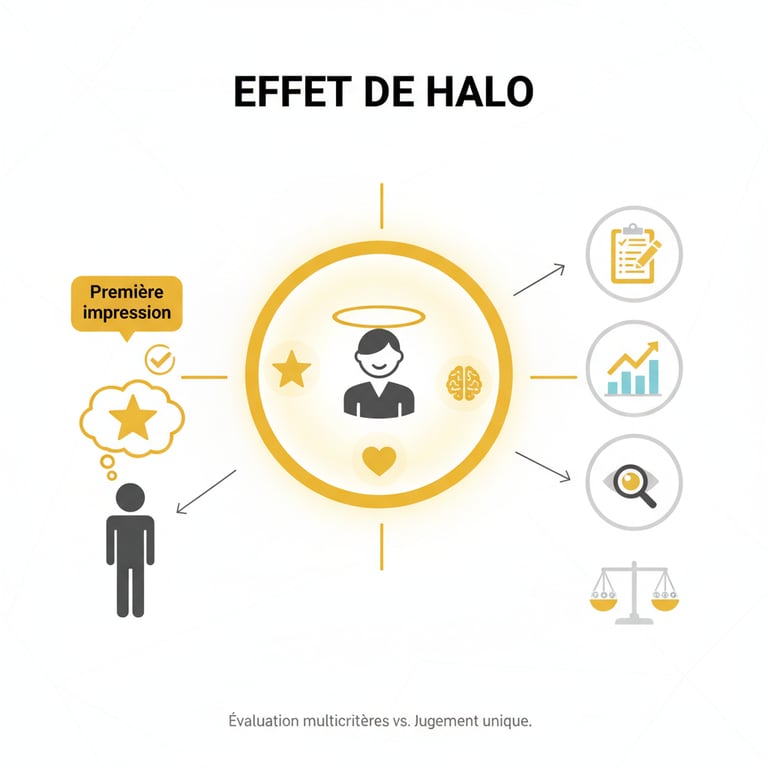
→ Align your actions with your core values to maintain personal integrity.Halo Effect: A positive trait of a person influences our perception of their other traits.
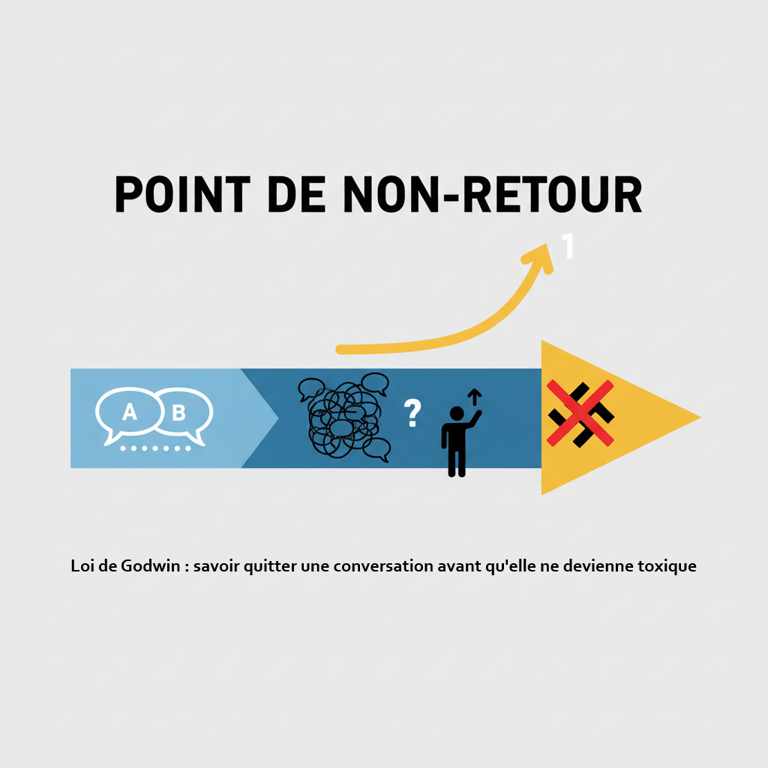
→ Evaluate people on multiple objective criteria rather than first impressions.Godwin’s Law: The longer an online discussion continues, the probability of a Nazi comparison approaches 1.
→ Recognize when a discussion is going off-track and withdraw before it becomes toxic.
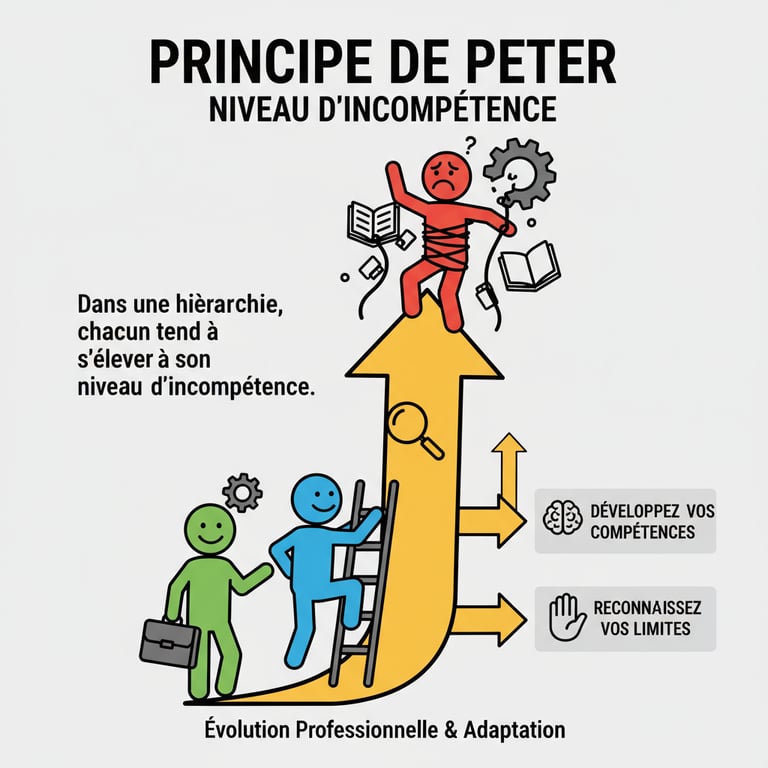
Peter Principle: In a hierarchy, every employee tends to rise to their level of incompetence.
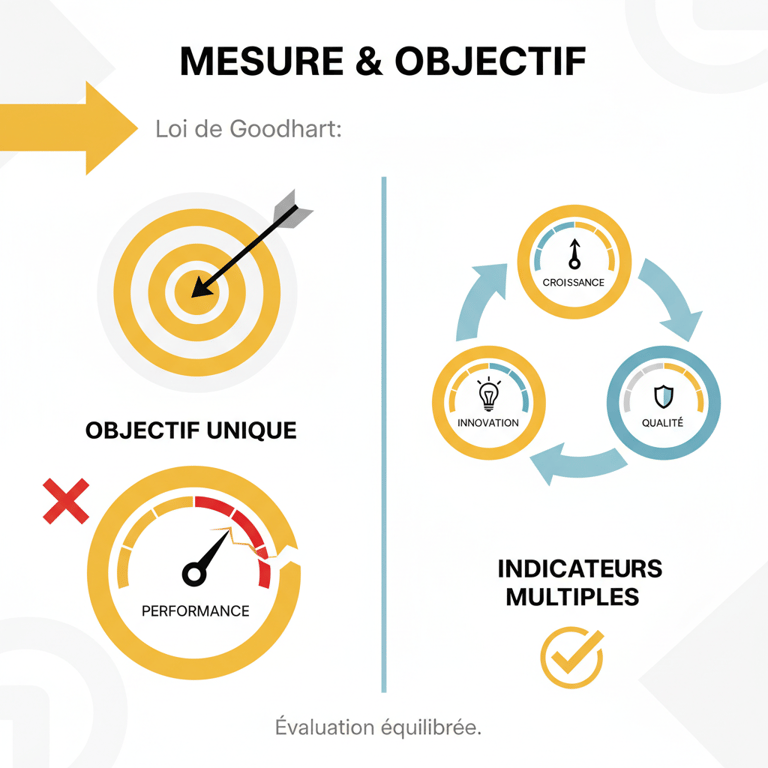
→ Continuously develop your skills and recognize your professional limits.Goodhart’s Law: When a measure becomes a target, it ceases to be a good measure.
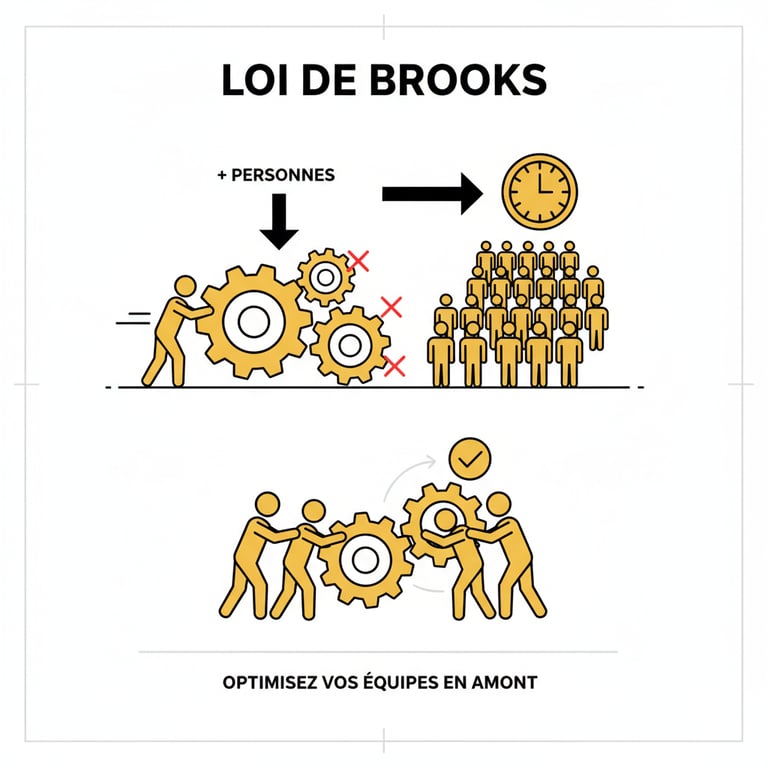
→ Use multiple complementary indicators rather than relying on a single one to evaluate performance.Brooks’ Law: Adding people to a late project makes it even later.
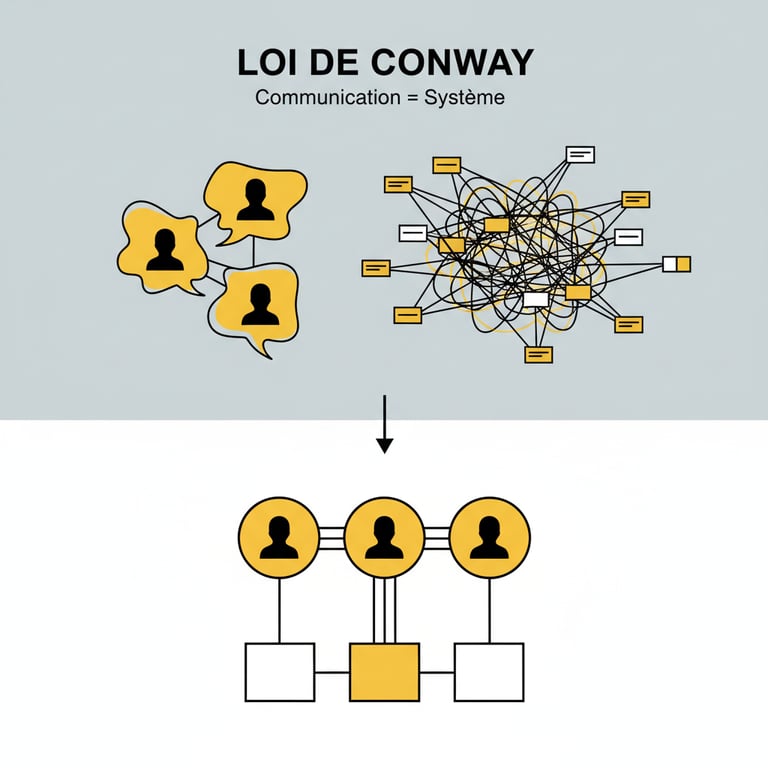
→ Optimize team size from the start rather than adding resources in a hurry.Conway’s Law: Organizations design systems that mirror their communication structure.
→ Structure your teams according to the system you want to create.
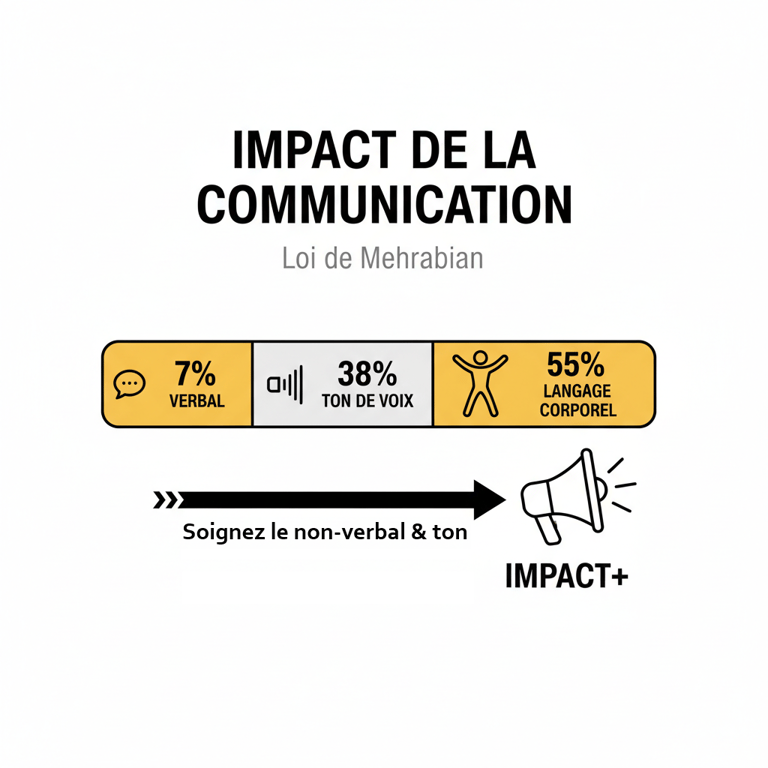
Mehrabian’s Law: 7% verbal, 38% tone of voice, 55% body language in emotional communication.
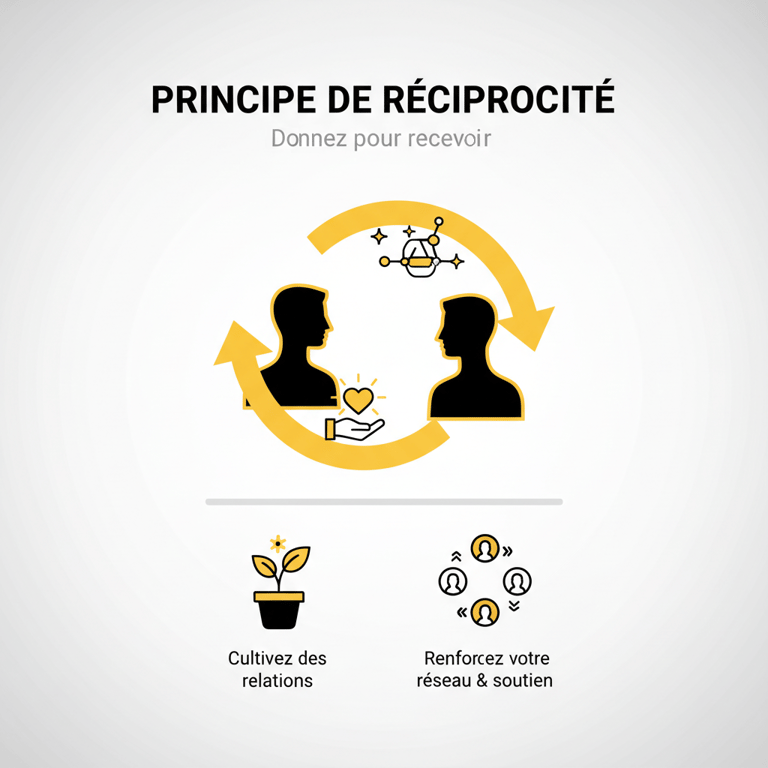
→ Pay attention to your non-verbal cues and tone to enhance the impact of your messages.Principle of Reciprocity: People tend to return what they receive.
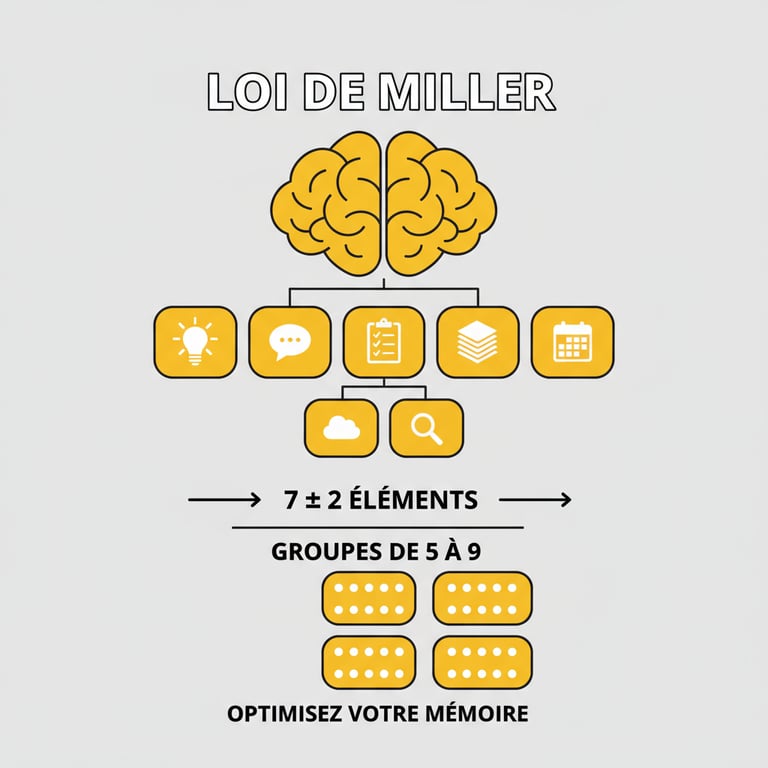
→ Build relationships by helping others, which can strengthen your network and social support.Miller’s Law: The human mind can retain 7±2 items in short-term memory.
→ Organize your presentations and lists into groups of 5 to 9 items maximum.
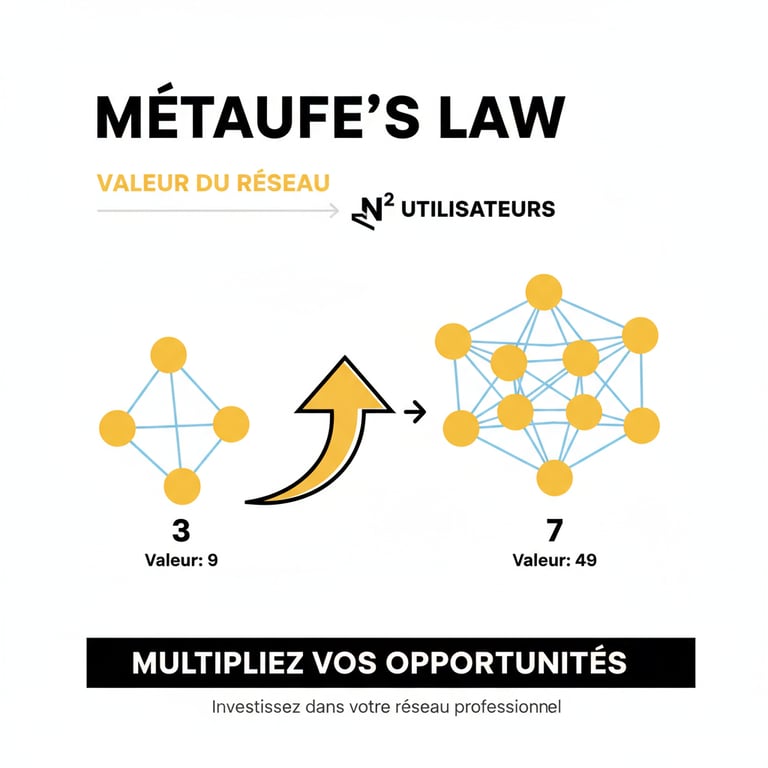
Metcalfe’s Law: The value of a network is proportional to the square of the number of users.
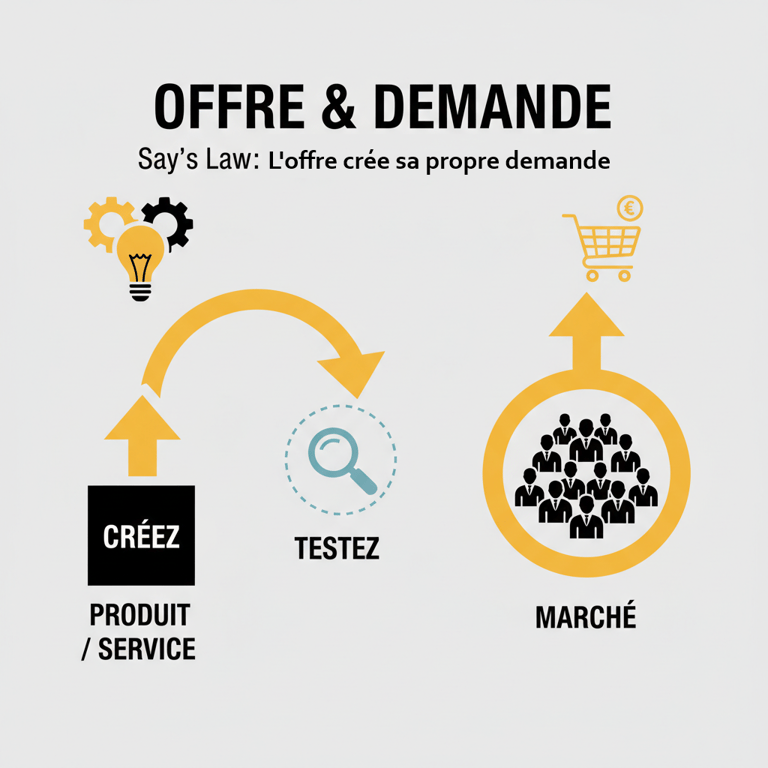
→ Invest in growing your professional network to multiply opportunities.Say’s Law: Supply creates its own demand.
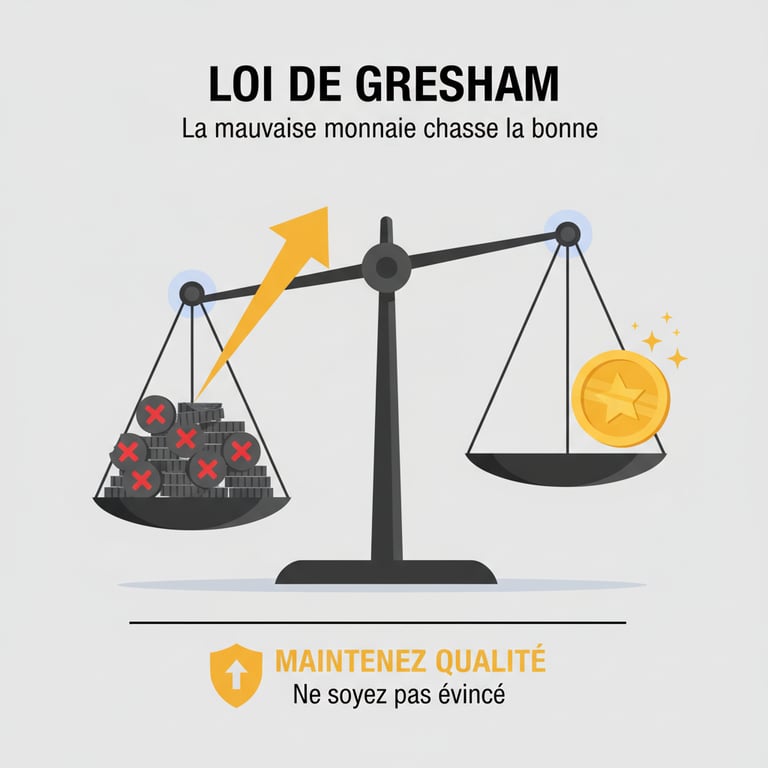
→ First create your product or service, then find your market by testing it.Gresham’s Law: Bad money drives out good.
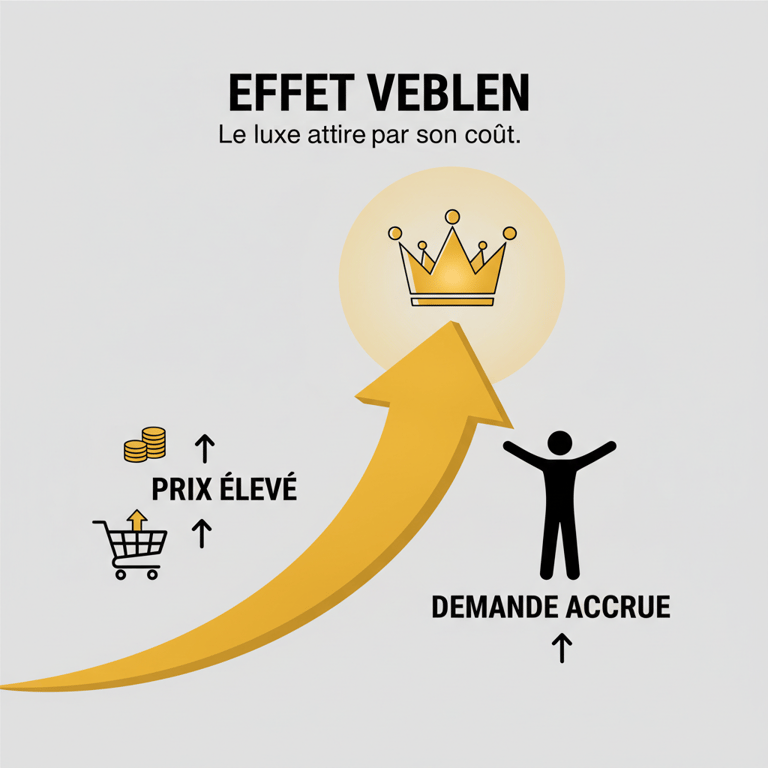
→ Maintain high quality standards to avoid being ousted by mediocre competition.Veblen Effect: Demand increases with price for certain prestige goods.
→ For luxury products, a higher price can paradoxically increase attractiveness.
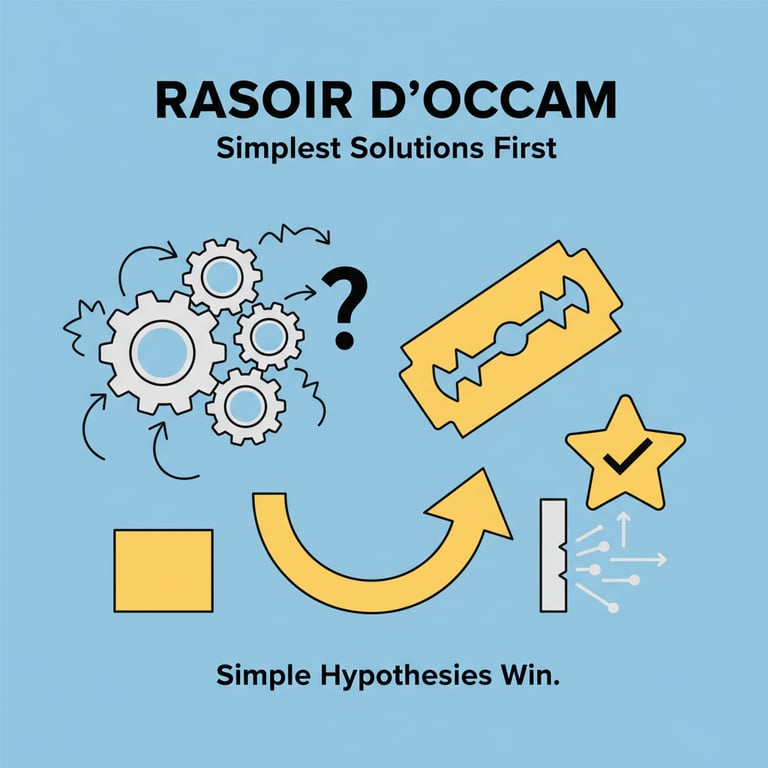

Occam’s Razor: The simplest assumptions are often the best.
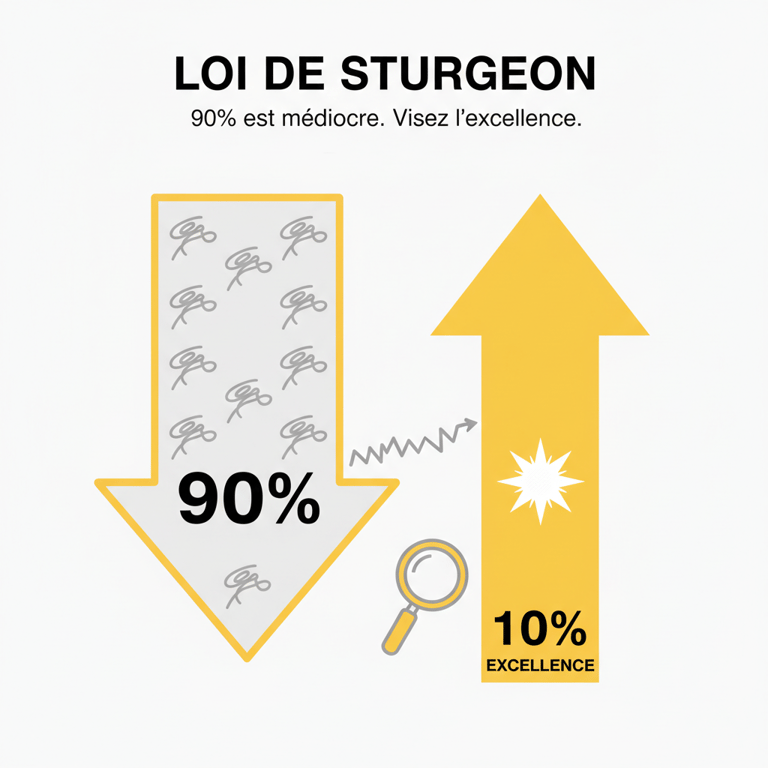
→ When facing a problem, always start by exploring the simplest solutions.Sturgeon’s Law: 90% of everything is of poor quality.
→ Be selective in your choices and actively seek the top 10% of excellence.Hanlon’s Law: Never attribute to malice what can be explained by stupidity.
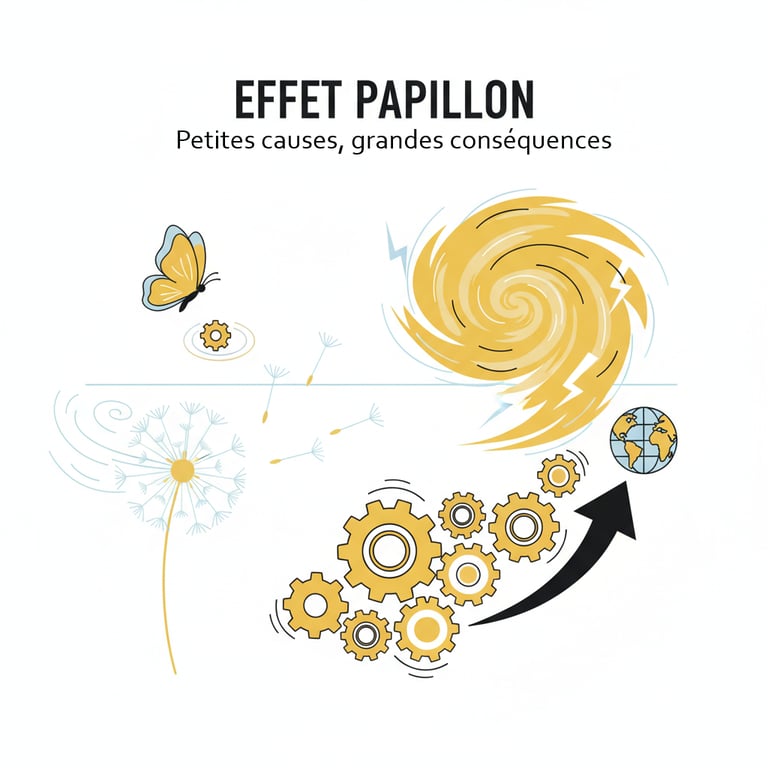
→ Give others the benefit of the doubt and avoid hasty negative interpretations.Butterfly Effect: Small initial variations can have large consequences.
→ Pay attention to details, as even small actions can have a major impact.



Moore’s Law: Computing power doubles every 18–24 months.
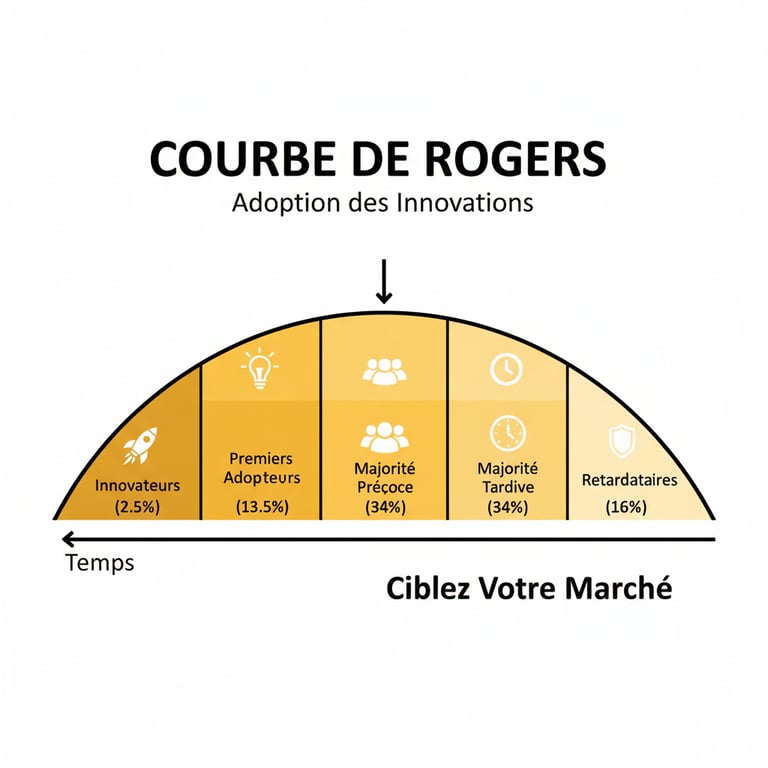
→ Anticipate technological obsolescence in your long-term planning.Rogers’ Curve: Innovation adoption follows a bell-shaped curve.
→ Identify your target market based on its position on the adoption curve.Amara’s Law: We tend to overestimate the short-term impact and underestimate the long-term impact of technology.
→ Be patient with new technologies and consider their 10-year potential.Lindy Principle: The future life expectancy of an idea is proportional to its current age.
→ Favor knowledge and practices that have stood the test of time.

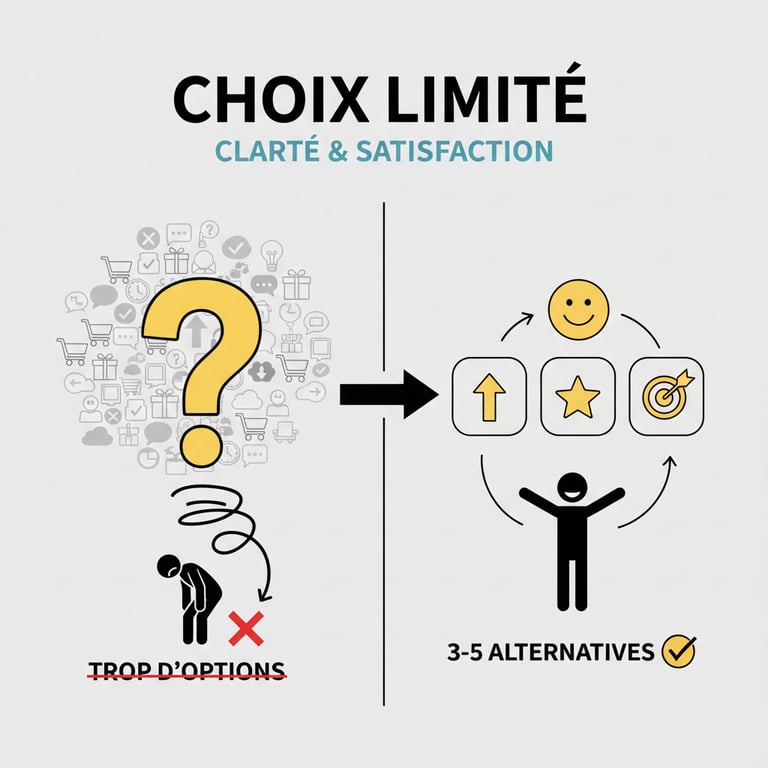

Choice Paradox: Too many options can paralyze decision-making and reduce satisfaction.
→ Deliberately limit your options to 3–5 alternatives maximum.Anchoring Bias: The first piece of information strongly influences subsequent decisions.
→ Present your best offer first to positively anchor perception.Hick’s Law: Decision time increases with the number and complexity of choices.
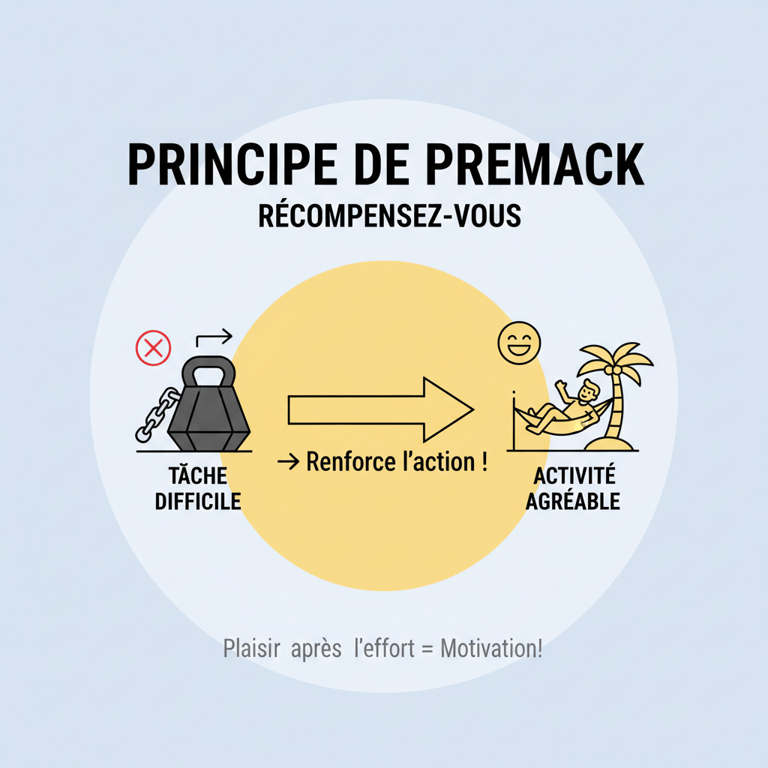
→ Simplify menus and options to facilitate decision-making.Premack Principle: Pleasant activities can reinforce less pleasant ones.
→ Reward yourself with an enjoyable activity after completing a difficult task.
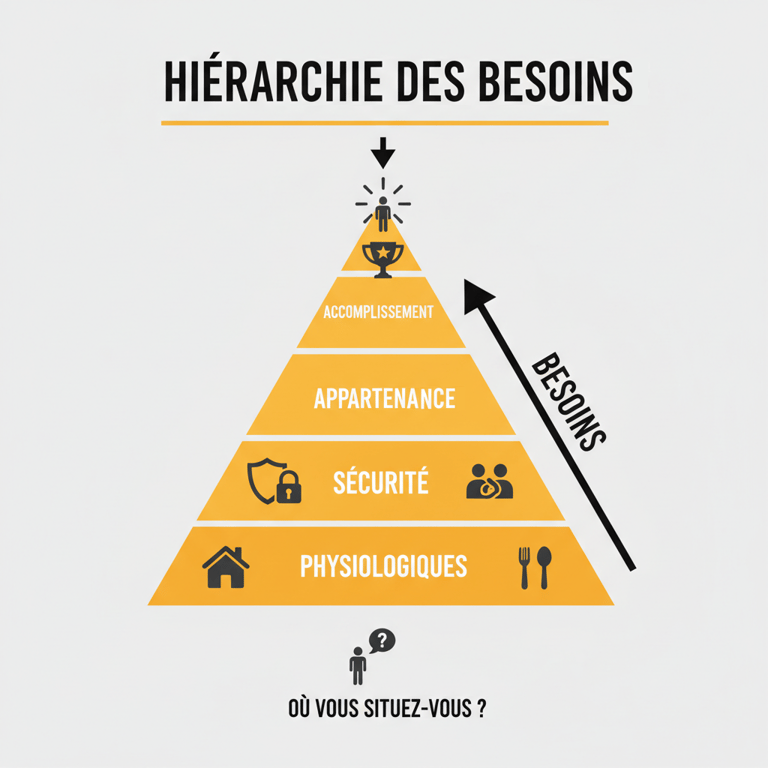


Maslow’s Motivation Theory: Human needs are hierarchical, ranging from basic needs to self-actualization.
→ Identify which level of the hierarchy you are at to better direct your efforts.Principle of Personal Responsibility: We are responsible for our choices and actions.
→ Fully own your decisions and their consequences rather than blaming circumstances.Law of Least Effort: People tend to choose the solution requiring the least effort.
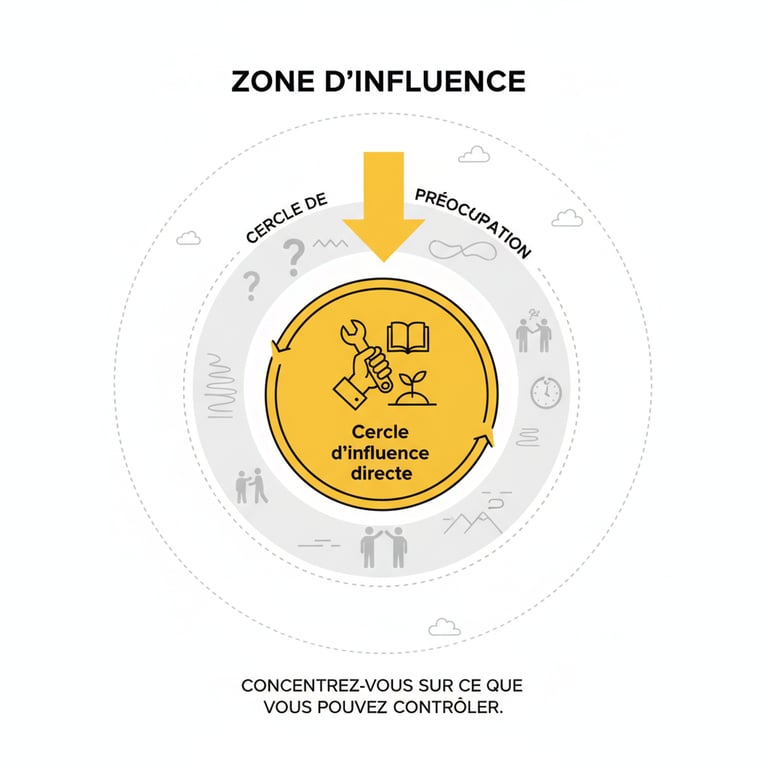
→ Simplify your processes to make it easier to make the right choice.Covey’s Circle of Influence: Focus on what you can control.
→ Invest your energy only in your direct zone of influence.